Curiosity

Before I began writing this piece, I started researching 21st-century skills. As I explored the resources I found helpful, I realized I could approach this topic from a broader perspective—and decided to save the 21st-century skills for another article. ✍️

Now, returning to the theme in the title and visual: curiosity, in my opinion, is one of the most essential and timeless qualities.

As centuries pass, sources and perspectives evolve with new disciplines and current issues. Yet the work of curious minds remains timeless. Whenever I think of curiosity, I think of figures like Leonardo da Vinci and Hezarfen Ahmed Çelebi—people who emerged long before the technological advancements we have today. I begin to wonder, “What would the world be like if they had never lived?” and I find myself searching for answers to such questions.

These kinds of questions rarely have just one answer. Just like the ripples created when a stone hits the surface of a lake vary depending on where it lands, the reflections of the world shift with each different impact. Of course, in a world where concepts like lifelong learning still hold importance, it’s not just about maintaining what exists—it’s also about how we move forward from where we are. Time and life flow like a river… That’s why we should focus on keeping this river flowing, and hopefully, inspiring those who come after us along the way. 💭

To wrap up, curiosity shapes world history. It encourages people to explore new things. The discoveries and creations it drives—those that bring ease, open up new fields, and leave lasting impressions—become valuable resources for shaping the future.

As I close this piece, I want to leave you with a forward-looking question:

100 years from now, what kind of discovery would you like to be remembered for?

In which field, and with what kind of impact, would that discovery need to have for you to consider it a success? 🌱✨
Nature and human – 7

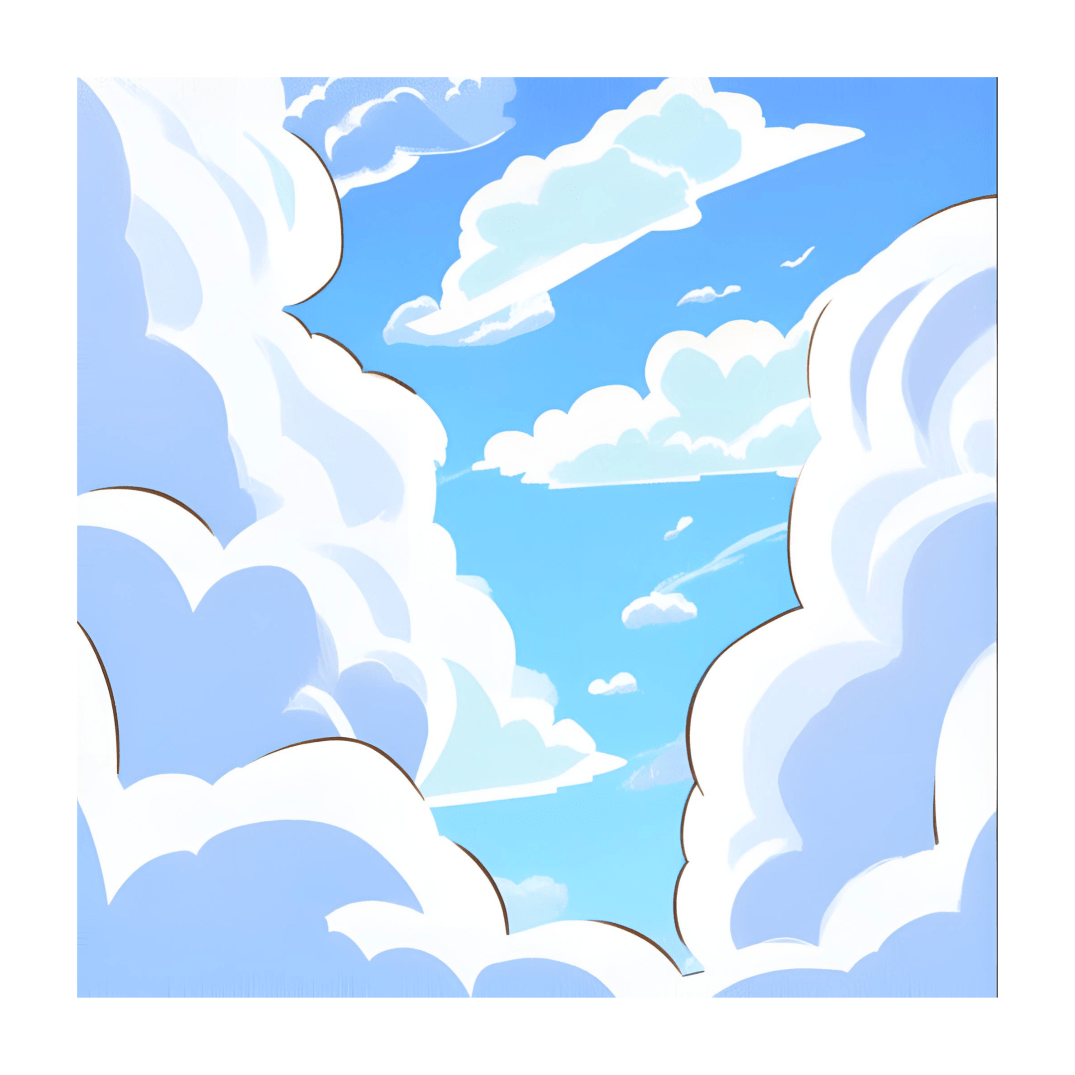
Today I saw a different perspective on the relationship between nature and humans; fly. 🙃 It has been with these vehicles throughout human history and entered our lives as an act of travel. But today I want to talk about a different type of flying; fly like birds. 🐦‍⬛ But I can say like them because they seem like they were created to fly. They have wings that make them float in the air and bodies that support the wings. They eat differently than us and nest in higher places. 🪺 As humans, we feel this feeling mostly with an airplane or different vehicles. You can even look at the sky and ask, “I wonder what this cloud looks like?” We pass through the clouds we follow by asking the question. We see how soft and huge the clouds we create games actually are. ✈️

Flying is actually a desire that we had as children. We, children who try to go to the top when we get on the swing, look out the plane window with a similar feeling when we grow up. 🥹 Then, are we human birds?😇 I wonder what they would be like if we had wings like birds? I would definitely want a warm toned color somewhere. 😊 Before finishing the article, I would like to ask you a question with your permission. How would you describe flying? Which part of you in particular still sees flying as a child looking at the clouds? ☺️

Note: The image was created with artificial intelligence.

#natureandhuman #human #nature #flying #birds #sky #people #clouds #perspective

Today, I witnessed a different  perspective on the human-nature relationship: the act of flying. 🙃Throughout history, humans have utilized various tools and technologies to traverse the skies, making flying an integral part of our lives. However, I’m not referring to this conventional form of flight; I’m talking about the wish to soar through the air like birds. ‍🐦‍⬛

Birds, one might say, were born to fly. Their wings are perfectly designed for gliding through the air, supported by their sturdy bodies. Their diets and nesting habits differ significantly from ours, allowing them to occupy higher altitudes. 🪺 As humans, we can only experience a semblance of this feeling through airplanes or other flying mechanisms. We often gaze at the sky, wondering “What does that cloud look like?”, passing through these fluffy giants. As we play our imaginative games, we realize the vastness and softness of these clouds. ✈️

The desire to fly is deeply rooted in our childlike selves. As children, we strive to reach the highest point on the swing, and this yearning continue  as we grow older, as we peer out of airplane windows. Does this transformation make us “human birds”? What if we had wings like birds? How would they look? I would certainly want them to be adorned with warm colors.

Before concluding this post, I’d like to ask your permission to pose a question: How would you describe the feeling of flying? What aspect of yourself still retains that childlike wonder when gazing at the clouds? ☺️

Note: This image was created using artificial intelligence.